The United Nations Proclaimed 2024
The Year of the Camelid
By
Mike Safley
The United Nations declared 2024 the International Year of Camelids. “The Year will highlight how camelids are key to the livelihoods of millions of the world’s poorest households in over 90 countries, particularly Indigenous Peoples and local communities. From alpacas to Bactrian camels, dromedaries, guanacos, llamas, and vicuñas, camelids contribute to food security, nutrition and economic growth as well as holding a strong cultural and social significance for communities across the world.
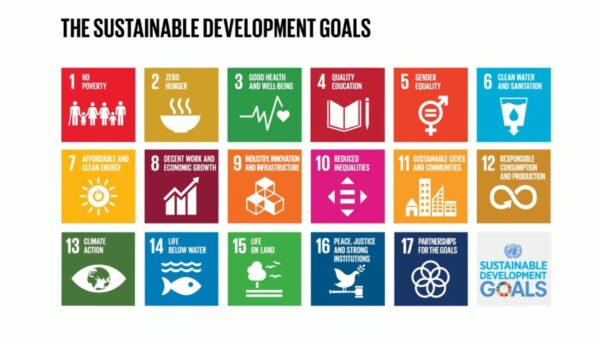
Camelids play an important role in advancing the Sustainable Development Goals (SDGs) related to the fight against hunger, the eradication of extreme poverty, the empowerment of women and the sustainable use of terrestrial ecosystems. “United Nations Declaration.
Quechua Benefit was founded in 1996. The NGO has endeavored to be a sustainable organization and invest in sustainable projects since it’s inception long before the United nation announced their 17 SDG goals in 2015. The 3 goals in their mission statement are 1) Education, 2), Economic Empowerment and 3) Preventative Medicine. All these goals are accomplished in a sustainable fashion with Peruvian professionals, staff, and management.
There are only 2 paid employes in the United States and more than 35 permanent employees in Peru. The organization’s BOD is all volunteer, and pays 100% of the NGO’s overhead including management, marketing and fund-raising expenses. 100% of donor gifts go directly to sustainable projects in Peru.
The International Year of Camelids 2024 aims to build awareness of the untapped potential of camelids and to call for increased investment in the camelid sector.
Quechua Benefit is a registered NGO in both Peru and the United States, founded in 1996.
All Quechua Benefit decisions are based upon the following values:
- Help women and children recognize and achieve their full potential.
- Be responsible stewards of resources.
- Respect the Quechua people and their culture.
- Collaborate with and listen to the voice of the people and their needs.
- Strive for social justice.
- Act with integrity, loyalty, and love.
Quechua Benefit is a registered 501(c)(3) nonprofit organization that works in the remote highlands of southern Peru. They work with Quechua families to break the cycle of poverty through programs in:
EDUCATION
- #4 Quality Education
- #5 Gender Equality
ECONOMIC EMPOWERMENT
- #1 goal for the United Nations Sustainable Development Goals (UN SDG) is No Poverty: end poverty in all its forms everywhere by 2030.
- GOAL 2: Zero Hunger.
- goal #6: Clean Water and Sanitation (bonus, it enhances the carbon sequestration capacity of the area).
- #11: Sustainable Cities and Communities. This additional vicuña population will produce an additional $283 of annual income for each family in the community.
- #8: Decent Work and Economic Growth.
- #15: Life on Land.
PREVENTATIVE MEDICINE
- #3 Good Health and Well Being.
The United Nations created a global framework for their Sustainable Development Goals (SDG). These goals are meant to guide project development by corporations, governments, philanthropists, and nonprofits when designing projects around the globe.
The principal behind the SDG goals is that projects should align themselves with as many goals as possible to create a positive impact on people, planet, prosperity, peace, and partnership.
One of Quechua Benefit’s greatest strengths is the ability to deliver essential services over a vast geographic area directly to remote communities.
Quechua Benefits Education Initiatives
- Our private boarding school K-6 is located in The Colca Valley high above Arequipa. Our school services at-risk children who live in remote communities who would otherwise not have access to school. We started with 40 students in 2009 and today, we have 80+ students enrolled in grades K-6.
- Secondary School, education beyond the 6th grade is a privilege that many indigenous kids, especially girls, that identify as Quechua can achieve.
- 90%+ of our students are the 1st generation in their families to attend secondary school! Our girls’ and boys’ homes in Arequipa provide living accommodations for 30+ students annually and access to resources while they attend secondary school.
- In 2019, we proudly cheered on our first group of high school graduates when they received college acceptance letters.
- Today, we have more than 20 of our alumni in college annually.
Quechua Benefits Economic Empowerment Initiatives
- 100% of the economic empowerment projects executed by Quechua Benefit are supported by the communities in the highlands financially, according to their ability, as our partners.
- In 2019, Quechua Benefit was approached by the community leaders of Picotani inquiring about assistance with a water project which was to provide water for their population of the wild vicuña, an endangered species, during the dry season.
- Water conservation is critical to the health of the planet. As plans went into development, we learned that the natural biodiversity that already existed at 15,000 feet above sea level was the key. Particularly from bofedales or “Andean peat bogs” that provide nourishment and water, to the exquisite vicuña in the highlands above 14,000 feet.
- For Picotani, the water project that we built together with the community supports an additional 2,500 vicuñas, producing 1,250 pounds of fiber annually worth $225,000.
- This means an additional $1,325 annually for each family in the community. All this was made possible by simply expanding the natural grazing pasture areas within the community borders by building a gravitational water supply system from a natural lagoon about 6 kilometers away. The bonus? The additional pastureland will provide the Earth with additional natural carbon sinks.
- Now more than ever our economic empowerment programs help tie in environmental preservation and protection as well as wildlife conservation. Without preserving the existing environment, Peruvian highland communities would simply not exist.
Quechua Benefits Preventive Medicine Initiatives:
- The third pillar of our program for breaking the cycle of poverty is our preventative medicine initiative, which focuses on delivering medicine that combats the second largest disease in the world: anemia.
- In Peru, anemia affects over 50% all pregnant women and children under five years of age.
- Anemia has a simple and cost-effective cure; 1) Diagnose and treat the root cause, intestinal parasites, and 2) Treat those afflicted with iron supplements.
- Since 2016 our organization (along with our awesome volunteers) has tested and treated over 17,000 children across 38 communities for anemia, with a cure rate of 63%.
- In the Caylloma District alone, our efforts have reduced anemia levels from 47% to 25% in 2 years.
Interested parties can contact Mike Safley, Founder of Quechua Benefit at mike@alpacas.com or 503.703.6020 and Dale Cantwell, Executive Director, Quechua Benefit at Dalecantwell@yahoo.com or 303.902.4503.
Video Collection For Year of the Camelid